Understanding Pet Training Basics
Pet training is a vital aspect of responsible pet ownership, whether one is training a dog or a cat. The foundation of effective training lies in understanding some essential concepts, such as the importance of consistency, patience, and the application of positive reinforcement strategies. These elements form the cornerstone of successful lessons that can lead to lifelong behaviors in pets.
Consistency is crucial in pet training. It involves using the same commands and cues for specific actions every time. For instance, if a dog is being trained to sit, the command should always be “sit” and not “down” or any other variation. This clarity helps pets understand what is expected of them, making the training process significantly easier for both pets and their owners.
Moreover, patience must be exercised throughout the training journey. Training often requires significant time and effort, especially when teaching more complex commands or behaviors. Each pet learns at its own pace. Recognizing this fact can prevent frustration from building, thus maintaining a positive environment conducive to learning.
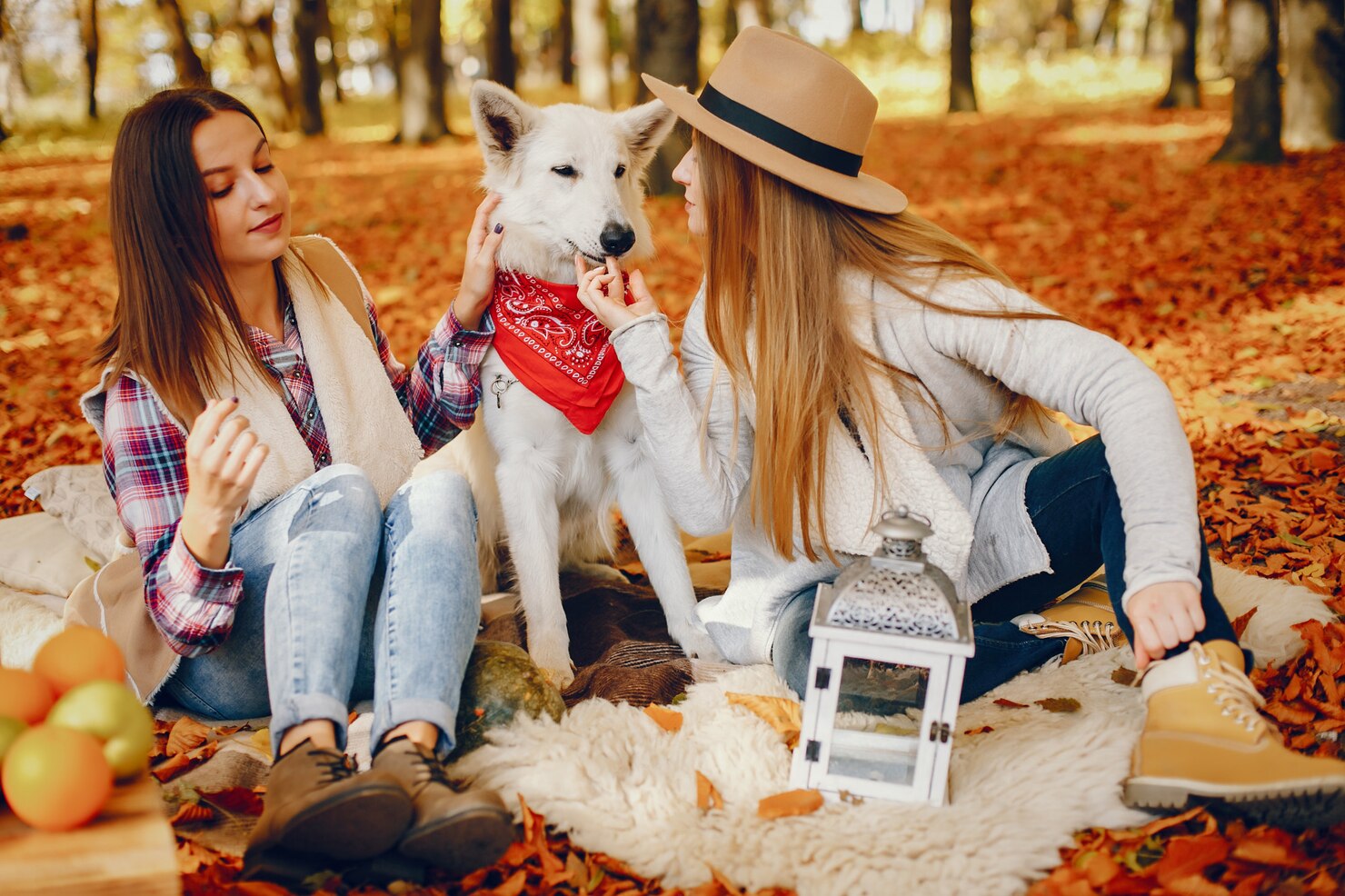
Positive reinforcement plays an equally important role. By rewarding pets with treats, praise, or playtime when they exhibit desired behavior, pet owners encourage these behaviors to be repeated. This approach also helps in building a trusting relationship between the pet and owner, making future training sessions even more effective.
Setting realistic goals is another fundamental aspect that is essential in training. It is vital for pet owners to establish achievable targets based on their pet’s age, breed, and individual temperament. Understanding a pet’s behavior is crucial in this regard. Recognizing when a pet is anxious, distracted, or overly excited can inform training methods and timing. In turn, this awareness can transform the experience into one that is not only effective but also enjoyable for both pets and humans.
Choosing the Right Training Tools
Effective pet training hinges on the selection of appropriate tools and accessories. These items not only facilitate the training process but also enhance control and communication between the owner and their pet. Among the essential tools available for training are leashes, harnesses, collars, clickers, and training pads. Each tool serves a specific purpose, making it crucial to understand their functionalities.
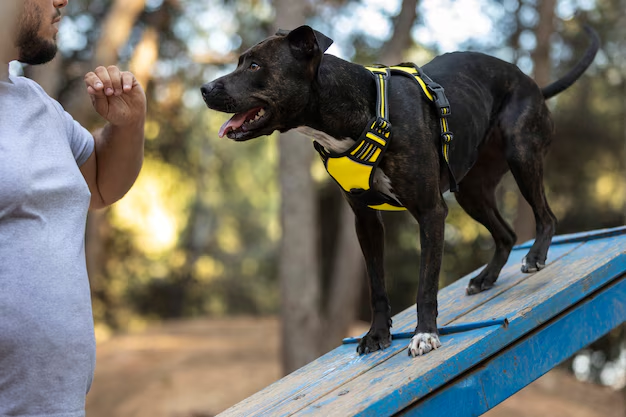
Leashes are fundamental for dog training, providing the handler with direct control during lessons. They help manage a dog’s movements while teaching commands such as “sit” or “stay.” For some pets, harnesses may be a preferred option as they distribute pressure more evenly across the body and minimize the risk of injury, making them especially beneficial for strong or leash-reactive dogs.
Collars also play a vital role in training. A simple collar can provide a means to attach a leash, while more advanced collars may include features such as tightening mechanisms that gently remind the pet of commands when misbehavior occurs. However, it is essential to select a collar that fits correctly to ensure comfort and safety during training sessions.
Clickers are another valuable training accessory, facilitating positive reinforcement techniques. This small device produces a distinct sound that marks desired behaviors, allowing trainers to provide immediate feedback. When integrated with treats, the clicker can enhance the learning experience by creating positive associations in a pet’s mind.
For indoor training, particularly with puppies or newly adopted pets, training pads can be an indispensable tool. They assist in housebreaking by providing a designated area for pets to relieve themselves, promoting consistency and reducing accidents in the house.
In conclusion, choosing the right training tools is imperative to achieving effective pet training. Utilizing the appropriate accessories can significantly ease the learning process for both the pet and the trainer, ensuring a smooth transition to desired behaviors and habits. By understanding the functions of each tool, owners can make informed decisions to support their pet’s training journey.
Positive Reinforcement Techniques
Positive reinforcement is a fundamental concept in the realm of pet training, particularly when it comes to dogs and cats. This approach leverages rewards, such as treats or praise, to encourage desirable behaviors. By using positive reinforcement, pet owners can create a supportive and motivating environment that fosters learning and strengthens the bond between the pet and the owner.
When selecting treats for training purposes, it is crucial to consider the type and size of the rewards. The ideal treats should be highly appealing and easy to consume quickly, allowing for immediate reinforcement of good behavior. Soft treats are often recommended, as pets can easily chew and swallow them without disruption during training sessions. Additionally, ensuring that the treats are small helps prevent overfeeding and maintains the pet’s appetite for meals.
The timing of treats is equally significant in promoting effective training sessions. Delivering a reward promptly after a desired action helps the pet associate the behavior with the positive reinforcement. For example, if a dog sits on command, offering a treat immediately reinforces that action, making it more likely the dog will repeat the behavior. Praises, such as verbal affirmations or enthusiastic petting, can also enhance the effect of the rewards, making the experience more enjoyable for the pet.
Moreover, consistency is key in positive reinforcement training. Owners should ensure that they reinforce the desired behavior each time it occurs, providing clarity for the pet regarding what is expected. Incorporating a variety of rewards can also keep training sessions interesting and engaging. Over time, as pets become accustomed to certain commands, owners may gradually reduce the frequency of treats while maintaining verbal praise, helping the pet understand that they can still earn recognition and support even without constant rewards.
Setting Up a Training Schedule
Establishing an effective training schedule is crucial for pet owners who wish to train their pets, be it dogs or cats. This structured approach not only enhances learning but also strengthens the bond between the pet and the owner. A well-defined schedule will assist in controlling behavior and ensuring that lessons are absorbed effectively.
First and foremost, regular training sessions are essential. Dogs and cats, similar to humans, thrive on consistency. Setting aside specific times in the week for training helps create a routine that pets can rely on. Aim for a schedule that includes short, frequent sessions rather than long, infrequent ones. Most experts recommend daily sessions of 10 to 15 minutes, which are ample for maintaining the pet’s focus while allowing for effective instruction.
Along with regularity, balancing discipline with playtime is vital in training. While it’s important to enforce commands and correct undesirable behavior, positive reinforcement through play can make the process much more enjoyable for your pet. Incorporating toys, treats, or even games as rewards can motivate pets to participate actively in their training. This engagement transforms lessons into enjoyable activities rather than mere obedience drills, making training a more pleasant experience.
Additionally, pet owners should tailor their approach based on their pet’s learning pace. Some pets may grasp lessons quickly, while others may require additional time or different techniques. Therefore, monitoring progress and adjusting the schedule accordingly ensures that training remains effective and your pet feels supported throughout the process.
In conclusion, creating an effective training schedule involves setting regular and balanced sessions combining discipline and enjoyment. This structured routine not only helps in better control of your pet but also fosters a more profound relationship built on mutual trust and understanding.
Common Training Challenges and Solutions
Training pets can often present several challenges, whether one is dealing with dogs or cats. Owners frequently encounter issues such as behavioral problems, distractions, and inconsistencies that hinder the training process. Addressing these challenges effectively requires understanding common obstacles and implementing practical solutions.
One of the most prevalent challenges in pet training is behavioral issues. Pets may exhibit undesired behaviors, such as excessive barking in dogs or scratching furniture in cats, which can significantly disrupt the training lesson. To combat this, it is essential to utilize specific training tools that promote positive reinforcement. Items such as clickers or treat dispensers can help pets associate good behavior with rewards, effectively encouraging them to repeat these actions.
Distractions in the environment can also derail training sessions. Whether it is loud noises, other animals, or enticing smells, external stimuli can divert a pet’s attention away from the lesson at hand. One effective strategy for overcoming distractions is to conduct training sessions in a quiet, controlled setting before gradually introducing more stimulating environments. Additionally, employing tools such as leashes and harnesses can provide better physical control over the pet, allowing owners to maintain focus during training.
Inconsistency in training methods can lead to confusion and frustration for both the pet and the owner. It is crucial to establish clear commands and stick to them throughout the training process. Using a set of consistent training tools that include specific commands or cues can help reinforce this approach. Training accessories such as designated training mats or specific collars can indicate a training zone, assisting in creating boundaries and clarity for the pet.
In conclusion, while training your pet can involve numerous challenges, understanding these obstacles opens the door to effective solutions. By integrating supportive tools and strategies, pet owners can create a more manageable and enjoyable training experience, leading to successful outcomes in teaching their dogs or cats essential behaviors.
Using Accessories to Enhance Training
Training your pet effectively often requires more than just dedication and technique; the right accessories can significantly enhance the training experience for both you and your pet. Various tools and supportive accessories can make the process smoother and more enjoyable. Equipping yourself with appropriate training aids provides structured support, making it easier to manage lessons and improve your pet’s learning capabilities.
One of the essential tools for any pet trainer is the training mat. These mats create a designated space for your dog or cat during training sessions. By associating the mat with positive experiences and commands, pets learn to control their behavior better. A training mat serves as a visual boundary, helping your pet understand where to focus their attention. This accessory can drastically limit distractions and make it easier for them to concentrate on mastering their lessons.
In addition to training mats, distraction toys play a vital role in engaging your pet’s attention during training. These toys are designed to keep pets entertained while simultaneously teaching them the importance of focus and impulse control. They come in various forms, including puzzle toys and treat-dispensing devices, which challenge your pet’s cognitive skills. This engagement can make training sessions more enjoyable and productive, allowing for a more interactive approach to learning.
Finally, treat bags are indispensable accessories for successful pet training. Having a convenient pouch for treats allows you to reward your pet immediately for their good behaviors. This immediate reinforcement is crucial, as it helps your pet associate their actions with positive outcomes. Using a treat bag can streamline the training process, ensuring that you can give praise without fumbling for rewards, thus maintaining the flow of the lesson.
Incorporating these accessories into your training regimen not only facilitates the process but also strengthens the bond between you and your pet. By utilizing training mats, distraction toys, and treat bags, you create an environment where your pet can thrive, making the overall training experience much more effective and enjoyable.
The Role of Socialization in Training
Socialization plays a critical role in the effective training of pets, particularly dogs and cats. A well-socialized pet is often more adaptable, confident, and manageable in various situations. This process of familiarizing pets with different environments, people, and other animals is vital for their overall development and helps mitigate behavioral issues later in life.
When it comes to socializing your dog, it is important to start early, ideally from a young age. Exposing your dog to diverse settings—such as busy parks, social gatherings, and various sounds—offers significant benefits. These experiences help dogs learn to navigate their surroundings, reducing fear and anxiety during unexpected encounters. For cats, while the approach may vary, introducing them gradually to new people and pets can foster a sense of security and comfort.
To ensure that socialization is both effective and safe, consider the following tips. First, start in a controlled environment to observe how your pet reacts to new stimuli. Gradually increase the complexity of the situations by introducing more distractions or novel elements. Always keep training sessions short and positive, rewarding your pet for calm behavior and gradual acclimatization. Secondly, be mindful of your pet’s body language; signs of stress or discomfort indicate that it may be necessary to retreat and try again later.
Using the right tools and accessories can also facilitate socialization. Consider utilizing a harness and a sturdy leash for dogs to provide better control during outings. For cats, a secure carrier can make trips to new environments less daunting. Ultimately, the goal is to create positive associations with new experiences while maintaining control—making the training process more manageable.
Incorporating socialization into your training regimen can significantly enhance your pet’s ability to interact with the world around them, leading to a happier and more well-adjusted companion. The benefits of proper socialization skills extend not only to individual pets but also to their owners, resulting in a more enjoyable training journey.

Tracking Progress and Making Adjustments
Providing effective training for your pet, whether it is a dog or cat, involves not only the use of the right tools and accessories but also the essential practice of tracking progress throughout the training sessions. Monitoring your pet’s behavior and response to training lessons allows you to assess their development and make necessary adjustments to your approach. This assessment is crucial for ensuring that the training is beneficial and enjoyable for both you and your pet.
There are various methods you can employ to track your pet’s progress. One effective way is to keep a training journal where you document each session, noting the commands practiced, the duration of each training lesson, and your pet’s behaviors during and after these sessions. This diary can serve as a valuable reference, helping you observe trends over time. For instance, if your dog consistently struggles with a particular command, noting this can prompt you to modify your training tactics or allocate more time to that lesson. Similarly, for cats, who may have different learning curves, recognizing their unique responses to training tools can guide your future sessions.
Flexibility in your training methodology is also important. Each pet is an individual, possessing unique traits that can influence their learning process. If you notice that a specific technique is not yielding the expected results, being adaptable and exploring alternative approaches can significantly enhance the training experience. For example, if your dog does not respond well to verbal commands, incorporating visual cues or using positive reinforcement might be more effective. For feline companions, interactive tools such as toys can be an engaging way to facilitate learning.
In conclusion, tracking your pet’s training progress is a vital aspect of effective pet training. By using methods of assessment and remaining flexible in your approach, you can enhance both control over your pet’s behavior and the overall success of your training endeavors.
Finding Affordable Training Resources
When embarking on the journey of training a pet, affordability of tools and resources becomes a significant consideration for many pet owners. Utilizing various strategies can help you acquire the equipment needed for effective training while staying within budget. One of the first steps is to explore local pet supply stores, where promotions and discounts can provide substantial savings. These stores often carry essential training accessories, such as leashes, collars, treats, and training aids, making them a convenient option for purchasing your necessary pet training tools.
Online shopping is another valuable avenue to consider. Numerous e-commerce platforms offer competitive pricing on a wide selection of pet training items. Look for websites specializing in pet supplies, as they frequently feature sales, special offers, and bundle deals. Moreover, subscribing to newsletters or following social media pages of these retailers can provide notifications about exclusive discounts. User reviews can also guide you in selecting effective training aids that have worked for others.
Another way to find affordable training resources is by leveraging community programs. Many local animal shelters or pet organizations provide free or low-cost training workshops. Participating in these sessions not only equips you with useful training techniques but also provides an opportunity to meet other pet owners who can share their experiences. Additionally, libraries often have valuable resources, including books and DVDs on pet training, which can enhance your knowledge without incurring extra costs.
Finally, consider reaching out to local veterinarians and trainers for recommendations on where to obtain budget-friendly training tools. They may provide insights on the most effective accessories that can simplify the training process, as well as suggest community resources or programs that offer support for pet owners. By utilizing these tips, pet training can become more accessible and manageable, ensuring both you and your pet can have a rewarding experience.